
Australia’s Love of Big Homes Was Rational, Until the World Changed
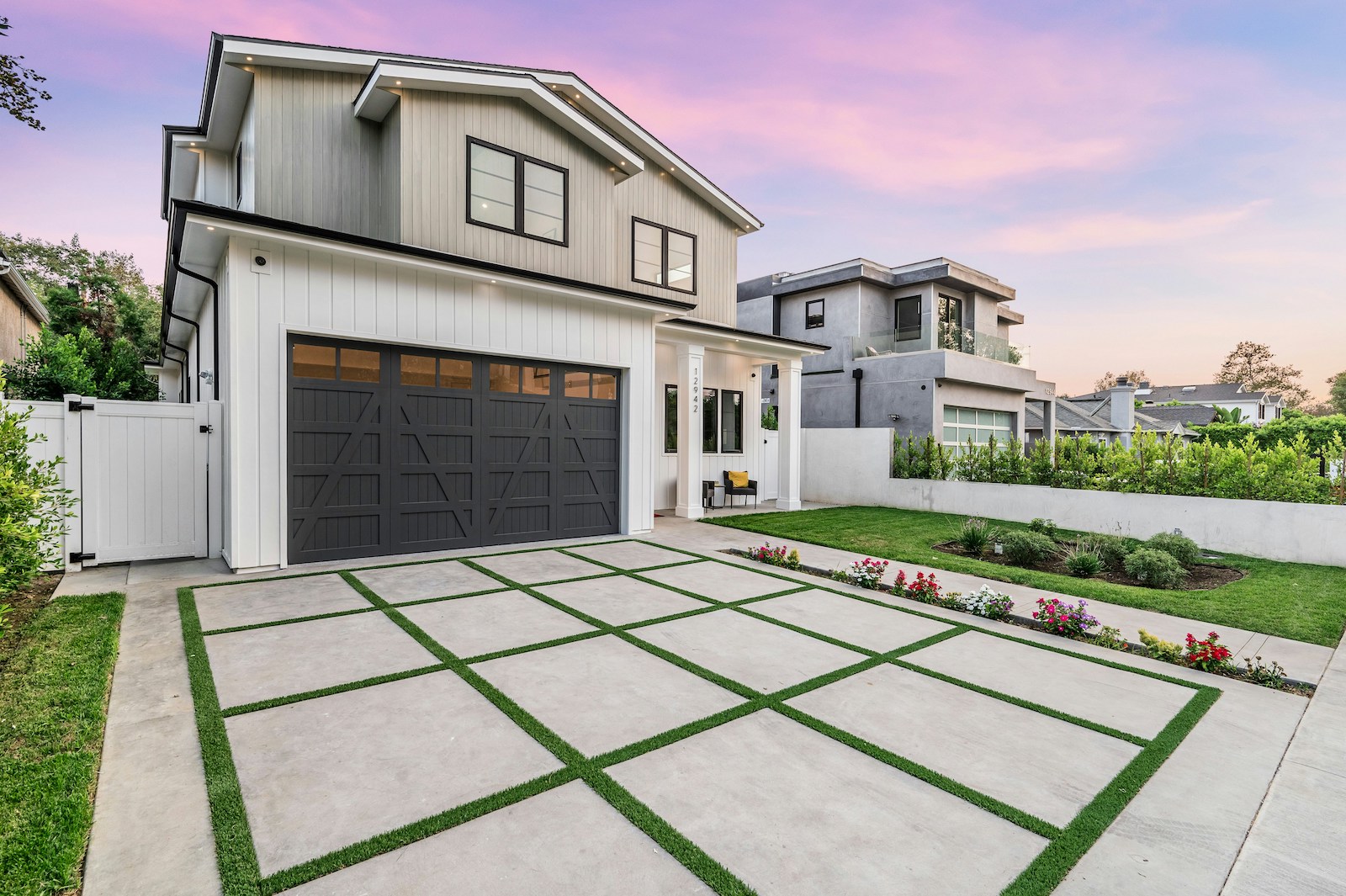
The great Australian dream: space and privacy
Australia built some of the largest homes in the world because, for decades, this was the most rational outcome the system could produce. There was plenty of land, it was easy and relatively cheap to build, and the planning system made detached houses the simplest option. Most people also wanted space and privacy, so the system delivered the type of housing that matched those expectations. Large homes were a practical response to the way the market worked at the time.
That environment has changed. Population growth has picked up, and households are smaller which means we now need many more dwellings for the same number of persons. Housing supply has not been able to keep pace and the gap between what people need and what is being delivered has grown.
Big homes were a logical outcome
Over the last 70 years, Australia’s average house more than doubled from 100sqm in 1960 to a peak of 244sqm in 2010. Average sizes have subsequently decreased a little as the supply pipeline has delivered more units. The average Australian home still remains over twice the size of its 1960 equal. This is outlined in Figure 1.
Figure 1: Dwelling Size (1960-2020)
.png)
Australia’s supersized homes make us a global outlier. We have the largest homes anywhere in the worldi. Our homes are double the size of those in most European countries and quadruple the size homes in China and Hong Kong. This is outlined in Figure 2.
Figure 2: Average House Sizes, World (2024)
.png)
Australia’s large homes were a logical outcome of a system designed to produce them.
- Land was plentiful
- Construction processes were relatively simple
- Financial and planning settings made detached housing the least risky but the most straightforward form of development
- Households valued space, privacy and control over their property so choosing larger homes reflected rational behaviour
Within these conditions large dwellings were an efficient and expected result of how the system ran. Those conditions have now shifted. The drivers of this model have weakened which has created pressures that the existing housing system was never built to accommodate.
What changed - demand, demographics and mobility shifted
Australia’s housing demand landscape has shifted in ways that the traditional detached-home model was not designed to respond to. Population growth accelerated at a speed that exceeded long-term expectations and fundamentally altered the scale of demand entering the system each year. This is seen in Figure 3.
Figure 3: Population Growth (1911-2025)
.png)
At the same time, the average household size fell from 4.5 persons in 1911 to around 2.5 persons in 2025. More people lived alone and/or formed smaller families and more dwellings were needed per capita. These two factors combined to increase the number of homes needed for any given level of population growth.
Figure 4: Average Household Size (1911-2025)
.png)
The demand model that once supported large households no longer exists. Where the system previously needed moderate volumes of large dwellings, it must now produce a greater number of smaller dwellings at a faster rate. This shift marks the beginning of a structural mismatch between the housing required and the housing that the system was originally built to deliver.
Supply did not change at the same speed
While demand shifted quickly, the supply system did not. Over the years, the volume of population growth has been significantly higher than the dwelling completion. This is outlined in Figure 5.
- From 1982 to 2003, population growth and dwelling completions moved in relative alignment. Maintaining a consistent ratio of around 1.5 people per dwelling (that is, one dwelling completed for every 1.5 new persons)
- Since the 2000s, population growth consistently outstripped dwelling supply. Over this period, the population-to-dwelling ratio rose from 1.5 to 2.2 people per dwelling. Thereby resulting in an accumulated shortfall
Figure 5: Population Growth and Annual Dwelling Completions (1982-2024)
.png)
One of the key factors for supply not being able to match the demand is due to the size of the individual firms in the construction sector. This is outlined in Figure 6. Australia’s construction industry remains dominated by small firms. Approximately 80% of constructions firms have 1-4 employees. This proportion is significantly higher when compared to other sectors.
Figure 6: Size of Construction Firms

The small-scale nature of the firms works well for detached housing which can be delivered in predictable stages with limited upfront investment. It does not support rapid expansion into higher-density formats that require deeper balance sheets, longer construction horizons and more sophisticated risk management. These structural limits are compounded by systemic constraints in labour availability, construction finance and builder solvency. Each constraint limits the industry’s ability to respond and narrows the types of projects that can be delivered at speed. In short, we are set up to build houses, not density and that gap is now a major constraint.
What big homes now do to the housing system
Australia’s large home supply system is facing system-wide pressures.
- Bigger dwellings lift the entry price for each household because more land and more construction cost are embedded in every purchaseii
- They reduce yield per hectare which limits the number of homes that can be supplied and raises the per capita cost of infrastructure that must stretch further to service fewer people.
- Large homes also reinforce stock immobility because households struggle to find appropriately sized alternatives within their community.
- These outcomes are economic trade-offs produced by a system still geared toward low-density supply.
The strategic question - can the system adapt fast enough?
Large homes made sense within the system that created them, yet that system no longer aligns with today’s demographic and economic realities. The question facing Australia is not whether people should like big homes because preference was never the binding constraint. The real question is whether the housing system can adapt fast enough to a high migration and smaller household future. This challenge is not about shifting lifestyle aspirations. It comes down to resetting how housing is delivered, i.e. through capable developers, efficient construction, flexible planning and stable finance.
The housing market does need a system flexible enough to deliver meaningful alternatives at scale so households can choose homes that reflect contemporary patterns of demand. The strategic test is whether the system can evolve at the pace the new environment demands. Can it?

References
i World Population Review (2025). House Size by Country. Accessible from: House Size by Country 2025
ii Productivity Commission (2023). Building More Homes Where People Want to Live. Accessible from: NSW Productivity Commission
Related posts
Dive deeper into insights that matter to you.

Atlas Housing Download Series: Part 5 - Beyond Welfare: The Case for Subsidised Housing
Atlas Housing Download Series: Part 6 - From Housing Approvals to Housing Delivery: What Can We Do?

Atlas Housing Download Series: Part 4 - Volatility of Rental Supply and Impacts on Rents

Atlas Economics is now a proud and excited partner of the Goodes O’Loughlin (GO) Foundation!
Make smarter decisions
Get in touch with the Team to get an understanding of how we transform data into insightful decisions. Learn more about how Atlas Economics can help you make the right decisions and create impact using our expertise.